


Following the June 1, 2025, effective date of the New Jersey Pay and Benefit Transparency Act, the New Jersey Department of Labor and Workforce Development has issued proposed regulations explaining compliance with the Act. As we previously reported, the Act requires employers to disclose salary or wage ranges and benefits in job postings and to reasonably notify current employees of promotional opportunities.
The proposed regulations clarify which employers are covered by the Act, what must be included in job postings, how promotion notices should be handled, and how enforcement will work. Employers who wish to submit public comments on the proposed rules must do so by November 14, 2025.
Employers: Who Is Covered
The Act applies to employers with 10 or more employees, whether those employees work inside or outside of New Jersey, for at least 20 calendar weeks if the employer does business, employs people, or accepts applications for employment in New Jersey. The proposed rules clarify that taking applications in New Jersey includes both soliciting in New Jersey and where the physical location of the prospective employment is, in whole or in substantial part, within New Jersey. Out-of-state employers posting roles that solicit or accept applicants in New Jersey should treat those postings as covered under the Act.
Notification: Requirements and Definitions
Job Postings. The Act requires employers to include the following in all job postings: (1) the exact hourly wage or salary, or the hourly wage or salary range, of the position, and (2) a general description of the benefits and other compensation programs for which the employee would be eligible. Pay ranges must be closed (no “and up” language) and the spread between the minimum and maximum cannot exceed 60% of the minimum, unless the range is set by law, rule, ordinance, or a collective bargaining agreement. The proposed rules define “benefits” to include employee fringe benefits such as health, life, and disability insurance; paid time off, including vacation, holidays, personal, and sick leave; retirement; and training.
Promotion Opportunities. The Act also requires employers to make reasonable efforts to notify all current employees in an affected department about promotional opportunities, whether the opportunity is advertised internally or externally. The proposed rules define “reasonable efforts” as conspicuously posting the promotional opportunity in the workplace where it is accessible to all employees in the department and, if the employer has an internet or intranet site used exclusively by employees, posting the promotional opportunity on that site.
Third-Party Advertising. Where an employer uses a third party to post a job opportunity, the employer is liable for violations not only where the employer retains control over the content of the advertisement, but also where the employer has relinquished control of the content through contract or agreement. In other words, if an employer engages a third party to advertise its job postings, the employer remains liable for the content of those ads. Employers are not liable, however, for the content of postings by third-party sites that collect and aggregate job postings without the employer’s involvement. An employer can meet its obligations under the Act by incorporating a link on the third-party site that directs the viewer to another site where the required content is clearly visible, including the name and location of the employer, the job title, and the pay and benefits associated with the opportunity.
Enforcement: Employer Rights and Penalties
The proposed regulations confirm that there is no private right of action under the Act; however, employers are subject to fines of $300 for the first violation and $600 for all subsequent violations. The proposed regulations provide several factors to be considered when assessing the appropriate penalty for a violation, such as the seriousness of the violation, any history of previous violations, the size of the employer, and good faith.
Employers also have the right to written notice of the violation and penalty amount and may request a formal hearing within 15 business days. All hearing requests must be made to the Division of Wage and Hour Compliance, which may schedule an informal settlement conference to resolve the dispute if warranted. If an employer fails to timely request a formal hearing, the notice will become a final order. Employers may appeal final decisions and orders with the Appellate Division of the New Jersey Superior Court.
Advice for Employers
Although the proposed regulations are not yet adopted, they are instructive as to how the Act will be enforced. Employers should make sure they are complying with the Act. For example, they should conduct internal reviews of their job posting channels and templates to ensure pay ranges and benefits are adequately disclosed and that reasonable efforts are taken when posting promotional opportunities to current employees. Employers who work with third-party recruiters and vendors should review and update their contractual agreements. Finally, employers should ensure proper training of HR and recruiting staff regarding the Act, including these proposed regulations.
We will continue to provide any further updates on the implementation of these regulations. If you have questions about how New Jersey’s Pay Transparency Act, or any other state or local pay transparency law, applies to your organization, please reach out to your Troutman Pepper Locke employment counsel.
Please enjoy the fall edition of Troutman Pepper Locke’s Alumni Newsletter, which features interviews with alumni Paris Dupree and Hunter Knowles, a recap of the 2025 alumni receptions, messages from firm leaders and the Alumni Relations team, and more.
A Message From Firm Leaders
With fall in full swing, we are thrilled to share some highlights from the past few months and are looking forward to an exciting end to our inaugural year as Troutman Pepper Locke.
In recent months, we have had the pleasure of welcoming three new lateral partners to our team — Maryia Jones in our Consumer Financial Services Practice Group, Heather Heath Ryan in our Tax and Benefits Practice Group, and Thomas Heffernan in our Energy Transactional Practice Group. Since the start of the year, our firm has grown by 20+ lateral partner additions, and counting, across various practices and offices, significantly enhancing our capabilities and reach.
In September, we welcomed the inaugural Troutman Pepper Locke Entry-Level Associate class. The 2025 ELA class consists of 70 associates across 21 of our offices and is a diverse and talented group of individuals with impressive backgrounds from 41 of the nation’s top law schools. These new associates represent 19 different practice groups, bringing with them valuable insights from their experiences in law review, clerkships, and various other professional work experiences. We look forward to providing them with the opportunity to launch their legal careers within the collaborative and dynamic environment of Troutman Pepper Locke.
We have recently concluded our series of alumni receptions held throughout the year. These gatherings provided invaluable opportunities for friends and colleagues to reconnect and strengthen our alumni network. We extend our heartfelt thanks to everyone who attended and look forward to seeing you at our upcoming CLE sessions in the months ahead.
Looking forward to staying connected.
Tom, Amie, David, and Ashley
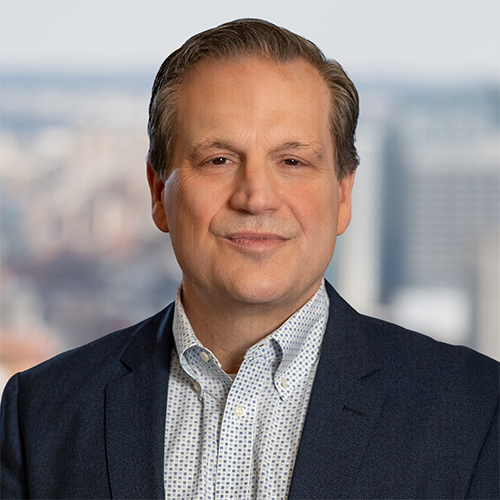 | Tom Cole Chair |  | Amie Colby Managing Partner |
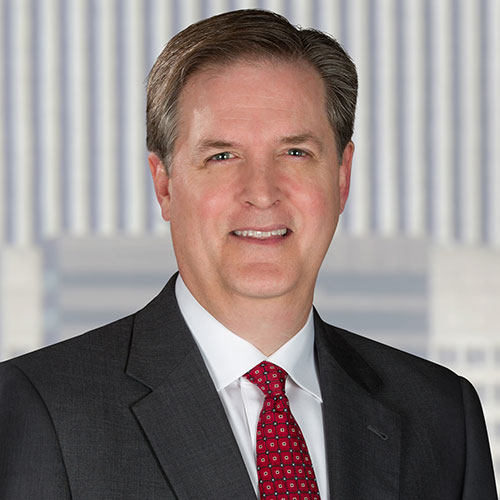 | David Taylor Vice Chair | 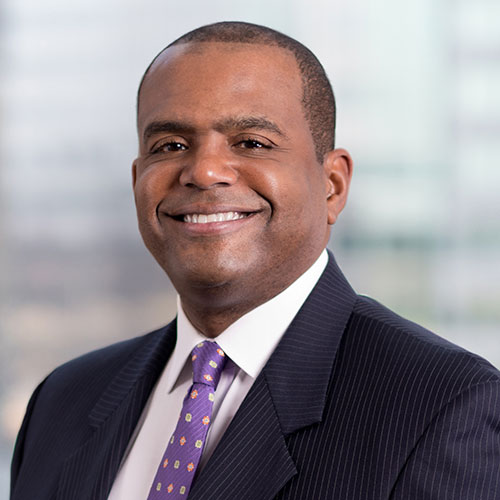 | Ashley Taylor Vice Chair |
A Message From the Alumni Relations Team
We are pleased to share that Troutman Pepper Locke’s alumni community is growing and remains highly engaged! Our team had a great time celebrating with both new and familiar faces at various receptions and events this year, and we’re looking forward to keeping those connections strong.
We encourage you to reach out to your former colleagues and share which industry or networking events you’ll be attending, highlight your successes or milestones, engage in posts or discussions to address challenges you’re facing, and promote your insights. Whether it’s a friendly phone call, timely post, or a thoughtful email, one thing is certain — your alumni community will be happy to hear from you and support your efforts!
Each fall season is ushered in with a crisp energy and serves as a reminder that, much like the branches of the colorful trees, we may be growing in different directions but will always have shared roots. This is a great time to reach out and strengthen existing relationships or build new ones.
We wish you the best, and let us know how we can support with your efforts.
Clare, Erin, and Kayla
 | Clare Roath Director of Alumni Relations | 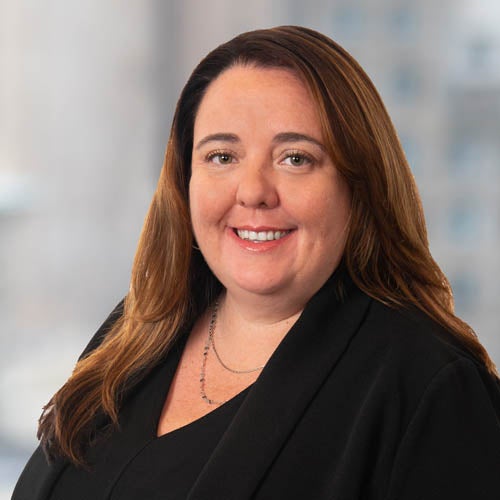 | Erin Warner Alumni Relations Manager |
 | Kayla Kennedy Alumni Relations Manager |
Alumni Spotlight
We caught up with Paris Dupree and Hunter Knowles to see what they most enjoy about their current roles and how the time they spent at the firm continues to serve them well.
 |
Paris Dupree VP, Business and Legal Affairs, OneTeam Partners Read Paris’ Q&A. |
 |
Hunter Knowles VP + Deputy General Counsel, Atlanta Braves Read Hunter’s Q&A. |
2025 Alumni Receptions — That’s a Wrap!
We had a wonderful time celebrating our alumni at receptions in Atlanta, Boston, Chicago, Dallas, Houston, New York, Philadelphia, Richmond, Virginia Beach, and Washington, D.C. this year! Each city offered its unique hospitality and charm, but the real highlight was the vibrant energy when our attorneys and alums reconnected — it never fails to impress and inspire.
We’re excited to continue our alumni receptions in 2026 and introduce new programs for you to enjoy. In the meantime, please update your contact information to ensure you receive our communications and invitations.
Cheers to all of you, and thank you for making our receptions a resounding success!
We Asked, You Answered — CLE Programs
In February, we distributed an alumni feedback survey to gain insights into your experiences. Thanks to your participation, we received over 300 responses!
Your feedback confirmed that CLE opportunities are among the most valued benefits Troutman Pepper Locke offers our alumni community. We’re pleased to share that we’ve provided over 20 alumni-inclusive CLE opportunities in 2025, with a few more scheduled before the year ends.
We always appreciate your input. Please feel free to email us anytime with feedback or ideas as we continue looking for ways to innovate and enhance our offerings.
Getting to Know Troutman Pepper Locke — Visit Our New Website
We are excited to introduce the newly designed Troutman Pepper Locke website! Designed with clients in mind, it features a modern look, intuitive navigation, and enriched industry insights to connect client goals with our solutions.
We invite you to visit the updated site to:
- Stay connected through exclusive alumni events and networking opportunities.
- Discover our attorneys, practices, industry focus, and unique differentiators.
- Access thought leadership for insights into emerging industry trends.
- Read client stories showcasing successful attorney-client partnerships.
- Explore industry-specific articles, podcasts, blogs, and learning events.
Enjoy the enhanced look, streamlined user experience, and improved functionality at www.troutman.com.
The Pepper Center for Public Service — Cheers to 10 Years
Happy 10th Anniversary to The Pepper Center for Public Service!
What started as a small group of partners nearing retirement in 2015 has become a vital organization that today numbers nearly 60 fellows (and counting). The Center board considers any project addressing an unmet community need that fellows are interested in pursuing. Fellows from various Troutman Pepper Locke offices are enjoying a fulfilling “encore” in retirement, with a sense of camaraderie through intellectually challenging and personally meaningful work.
On Oct. 9, The Pepper Center hosted an informational webinar and was thrilled to welcome participants from 10 of Troutman Pepper Locke’s offices. Panelists included Pepper Center fellows Lisanne Crowley, Amy Ginensky, Solomon Hunter, Cary Levinson, and chair of pro bono Sara Richman. They shared insights into the Center’s origin and its mission to involve retired and soon-to-be-retired partners and counsel in meaningful, gratifying, and important community work.
The panel outlined pro bono opportunities and current projects in the civics, education, and immigration spaces, noting that there is plenty of room for expansion and accommodating other interests.
On Nov. 12 and 13, the Center will celebrate its 10th anniversary with a fellows’ meeting, festive dinner, and an all-day conference on economic mobility and social capital and connectedness. This in-person celebration will be held in Philadelphia. Contact Amy Ginensky for details.
Cheers to 10 years of amazing work with many more to come!
Welcome, ELA Class of 2025
In September, we were thrilled to welcome the entry-level associate class of 2025. This talented group of new lawyers has been acclimating to firm life, meeting new colleagues, and working diligently on client matters. We wish our newest colleagues all the best!
Upcoming Programs and CLE Opportunities
Free Fridays: Practicing Law Institute (PLI) CLE Offerings
As part of the firm’s membership, we are happy to offer CLE offerings from PLI to friends of the firm. If you would like to be included in our Free Friday PLI email distribution, please contact Clare Roath.
On Demand CLE From Troutman Pepper Locke
Troutman Pepper Locke is pleased to share with our alumni an innovative on-demand CLE portal.
You can visit www.troutmancle.com for access to free recorded content and free registration for live webinars presented by Troutman Pepper Locke attorneys.
Simply add programs of interest to your cart and check out as you would an online store. Communications about the program, including PINs for access and CLE certificates, will be sent to the email address you provide during checkout.
Please note that you may need to work with your IT professionals if this site is initially flagged by your cybersecurity software.
Contact our CLE management team with any questions, and we hope you enjoy using this new tool!
Be sure to check Troutman Pepper Locke’s Learn + Connect Center for frequent updates on additional offerings and share with your fellow alums and friends of the firm!
Alumni on the Move
Click here to see what some of our alumni are doing now.
Be sure to share with us any recent moves, new roles, promotions, awards, or accomplishments you or your alumni colleagues have achieved — we’d love to celebrate your success!
Firm News
Troutman Pepper Locke’s Pro Bono IP Work Fuels Global Impact With New Clinic Dedication in Honduras
Let’s Stay Connected
Register to receive invitations and communications
Please visit Troutman Pepper Locke’s Regulatory Oversight blog to receive the most up-to-date information on regulatory actions and subscribe to our mailing list to receive a monthly digest.
Regulatory Oversight will provide in-depth analysis into regulatory actions by various state and federal authorities, including state attorneys general and other state administrative agencies, the Consumer Financial Protection Bureau (CFPB) and the Federal Trade Commission (FTC). Contributors to the blog will include attorneys with multiple specialties, including regulatory enforcement, litigation, and compliance.
In This Issue:
Troutman Pepper Locke Spotlight
State AG Investigations vs. Federal Investigations: Key Differences and How to Prepare for Both
By Lu Reyes and John West
Register Here
Monday, November 10 | 1:00–3:10 p.m. ET
Lu Reyes and John West, members of Troutman Pepper Locke’s Regulatory Investigations, Strategy + Enforcement practice, will participate in an upcoming CLE webinar with myLawCLE. They will discuss the difference in approaches between state attorney general (AG) investigations and federal enforcement actions.
Troutman Pepper Locke Attorneys Attend Annual Meeting on Government Investigations and Civil Litigation
By Troutman Pepper Locke State Attorneys General Team
Troutman Pepper Locke is proud to sponsor the Government Investigations & Civil Litigation Institute’s 11th Annual Meeting in Santa Ana Pueblo, NM. RISE attorneys Lauren Fincher, Stephen Piepgrass, Ryan Strasser, Ashley Taylor, Amy Williams, and Nam Kang will attend, alongside White Collar Litigation Investigations attorneys Abbey Hazlett and Ghillaine Reid, and Health Care and Life Sciences Litigation attorney Mike Lowe.
AG Watch: Illinois A Key Player In State-Level Enforcement
By Clayton Friedman, Ashley L. Taylor, Jr., and Daniel Waltz
This article is part of a regular column in which each installment features observations on one state’s attorney general enforcement news and trends, and the compliance implications.
Since beginning his tenure in 2019, Illinois Attorney General Kwame Raoul has strategically positioned himself as a leading figure among Democratic state attorneys general.
Troutman Strategies Principal Robert Miller Named to USLege’s Lobby Legends of the Year 2025 List
By Troutman Pepper Locke
AUSTIN – Robert Miller, principal at Troutman Strategies, has been named to USLege’s Lobby Legends of the Year list for 2025. The list recognizes individuals who have demonstrated consistent influence and credibility across multiple legislative sessions, possess deep institutional knowledge, and maintain trusted relationships across the political spectrum. Additionally, honorees are acknowledged for their role in mentoring and elevating the next generation of Texas lobbyists.
New Team Member
Matt Berns Joins Troutman Pepper Locke’s RISE Practice and State AG Team
By Troutman Pepper Locke State Attorneys General Team
Matt Berns, former chief counsel to the New Jersey attorney general (AG) and deputy chief counsel to the New Jersey governor, and previously a trial attorney with the U.S. Department of Justice, has joined Troutman Pepper Locke’s Regulatory Investigations, Strategy + Enforcement (RISE) practice and nationally recognized State AG team.
Regulatory Oversight Podcast Updates
From Politics to PR: Navigating Crisis Management
By Stephen C. Piepgrass
In this episode of Regulatory Oversight, Stephen Piepgrass is joined by Zack Condry, co-founder of Watermark Strategies, to analyze the evolving landscape of crisis management and the critical role of strategic communication in navigating complex issues. They explore effective communication strategies, public relations, and the evolving role of AI in managing crises. Zack shares insights from his extensive experience in corporate communications and public affairs, from his background managing political campaigns to his current work developing digital strategies for high-profile clients.
AG Litigation Updates
California AG’s Verdict in Consumer Protection Trial Upheld
By Troutman Pepper Locke State Attorneys General Team and Lauren Hancock Miller
On September 9, 2025, the Court of Appeal of the State of California upheld California Attorney General (AG) Rob Bonta’s trial-court victory against a business and its owner for violations of California’s unfair competition law (UCL) based on allegations of the illegal sale of credit insurance, which largely targeted the business’s Latino immigrant customer base.
Illinois Department of Insurance Initiates Litigation Against State’s Largest Insurer Over Failure to Produce Documents
By Troutman Pepper Locke State Attorneys General Team and Mary Grace Metcalfe
On October 10, 2025, Illinois Attorney General (AG) Kwame Raoul filed a lawsuit on behalf of Ann Gillespie, director of the Illinois Department of Insurance (the Department), against four different entities, all within the State Farm corporate umbrella. This lawsuit arises from State Farm’s alleged refusal to comply with financial examination warrants issued by Director Gillespie, which aim to force State Farm to disclose information about the policies it writes and the premiums it charges. As insurance regulation is a creature of state law, the Department’s director oversees the enforcement and execution of all insurance laws in Illinois. Further, AG Raoul has authority to bring lawsuits on behalf of other Illinois state agencies.
Labor + Employment Updates
New Jersey Attorney General and Department of Labor Receive Payment Under Lyft Settlement
By Troutman Pepper Locke State Attorneys General Team
On September 18, 2025, the New Jersey Department of Labor and Workforce Development (NJDOL) and the Office of the New Jersey Attorney General (AG) announced that Lyft had paid $19,435,087.06 for allegedly misclassifying its employees as independent contractors.
Minnesota AG Ellison Reaches $800,000 Settlement With Shipt on Worker Classification
By Troutman Pepper Locke State Attorneys General Team
On September 26, 2025, Minnesota Attorney General (AG) Keith Ellison announced a $800,000 settlement with Shipt, Inc. (Shipt). The settlement resolves allegations that the company was misclassifying its workers (referred to as “Shoppers”) as independent contractors instead of employees.
AI Updates
California Charts the Frontier With First Law Setting Reporting And Compliance Requirements For Powerful “Frontier AI Models”
By Troutman Pepper Locke State Attorneys General Team
On September 29, 2025, California Governor Gavin Newsom signed Senate Bill 53, the Transparency in Frontier Artificial Intelligence Act, into law. The bill will go into effect on January 1, 2026. The act builds upon the recommendations found in the “California Report on Frontier AI Policy,” which was released to the public on June 17, 2025. This report detailed key principles to guide the legislation drafting process, including grounding AI policy in empirical research and providing greater transparency into AI systems. Given that California is home to 32 of the top 50 AI companies worldwide, the state dominates the AI industry. It is no surprise that California is the first state to create rules promoting safety, transparency, and incident reporting for frontier models. This new act is expected to set the stage for similar AI legislation across the U.S.
Gaming Updates
Kalshi Sues Ohio Regulator Over Authority Dispute
By Troutman Pepper Locke State Attorneys General Team and Zoe Schloss
On October 7, 2025, Kalshi, a platform specializing in prediction market trading, filed a lawsuit against the Ohio Casino Control Commission (OCCC) and Ohio attorney general (AG), alleging that their regulatory actions overstep state authority. The complaint seeks to block enforcement of a cease-and-desist order that was issued by the OCCC in the spring, which accused Kalshi of “operating online sports gaming” and warned Ohio licensees that partnering with Kalshi could jeopardize their licensing status and integrity.
FTC Updates
States and FTC Partner to Bring Enforcement Action Against Allegedly Fraudulent Charity
By Troutman Pepper Locke State Attorneys General Team
The Federal Trade Commission (FTC) and 20 states reached a settlement with Kars-R-Us.com, Inc. (Kars) and its operators, Michael Irwin and Lisa Frank, related to an alleged national charity fraud scheme.
Cybersecurity Updates
Preparing For What DOD Cybersecurity Audits May Uncover
By Michael Barnicle, Peter Jeydel, Bryan Williamson, Hilary Cairnie, and Bonnie Gill
The U.S. Department of Defense released the final rule implementing the Cybersecurity Maturity Model Certification on Sept. 9.[1] Through the program, the DOD seeks to enhance protections for sensitive information.
Tobacco Updates
28 State AGs Defend State ENDS Directory Laws in Amicus Brief to Fourth Circuit
By Troutman Pepper Locke State Attorneys General Team, Bryan Haynes, and Michael Jordan
On September 22, a group of 28 state AGs led by Iowa filed an amicus brief in Vapor Technology Association v. Wooten in support of North Carolina’s state directory law that prohibits the sale of electronic nicotine delivery system (ENDS) products or e-cigarettes that lack Food and Drug Administration (FDA) marketing authorization. According to the brief, 15 states have already enacted laws similar to North Carolina’s ENDS directory law, and another 25 states are considering such legislation.
FDA Pilot Program Will Fast-Track Certain Nicotine Pouch PMTAs
By Bryan Haynes, Agustin Rodriguez, and Zie Alere
In September, the U.S. Food and Drug Administration (FDA) announced the launch of a pilot program aimed at streamlining the agency’s review of certain premarket tobacco product applications (PMTAs) for modern oral nicotine pouches.
Court Rules That Ohio AG Cannot Enforce FDA Premarket Authorization Requirements
By Bryan Haynes and Nick Ramos
An Ohio appellate court recently affirmed the dismissal of a case brought by the Ohio attorney general (AG) against Central Tobacco & Stuff Inc. (Central Tobacco), an e-cigarette retailer, in which the AG alleged that Central Tobacco sold e-cigarettes lacking FDA premarket authorization and violated the state’s Consumer Sales Practices Act (CSPA) by failing to inform consumers about the lack of FDA authorization. See State ex rel. Attorney Gen. Dave Yost v. Cent. Tobacco & Stuff Inc, 2025-Ohio-4613 (Ct. App.). This appears to be a novel use of a state consumer protection law, which most states have, to attempt to enforce the Federal Food, Drug, and Cosmetic Act (FDCA). The court concluded that federal law preempts Ohio’s ability to enforce FDCA premarket authorization requirements through the CSPA. The court’s decision may be relevant in other cases involving a state’s attempt to enforce FDA premarket authorization requirements through their consumer protection laws.
Stephanie Kozol, Senior Government Relations Manager – State Attorneys General, also contributed to this newsletter.
This article was originally published on Insurance Journal and is republished here with permission as it originally appeared on November 3, 2025.
Anyone in the insurance brokerage world generally knows the three magic words that require an insurance producer license: the “sale,” “solicitation,” or “negotiation” of insurance. For too many, this is the end of the equation. Most state insurance codes do not expand on what these words truly mean beyond providing general definitions derived in whole or in part from the Producer Licensing Model Act (PLMA) promulgated by the National Association of Insurance Commissioners (NAIC). As a result, the market is saturated with inconsistent treatment of licensing practices, both at the individual and entity levels.
Who needs to hold a license? What licenses need to be held? These questions, and related deficiencies, are among the most common compliance gaps we identify when assisting our insurance intermediary clients or otherwise conducting due diligence on potential insurance producer and intermediary mergers and acquisitions.
This article strives to answer 10 questions relating to insurance intermediary licensing nuances in the insurance marketplace that we see come up in our practice.
- Who needs to be licensed as an insurance producer?
The short answer is all individuals and entities that “sell,” “solicit,” or “negotiate” insurance need an insurance producer, broker, agent, and/or surplus lines broker license as and where applicable. This requirement generally applies to both individuals and the entities for which such individuals produce insurance and, moreover, in every state where such activities will be conducted (i.e., not just the resident state of the individual or his or her employer).
The PLMA provides broad definitions of these terms as follows:
- “Sell” means “to exchange a contract of insurance by any means, for money or its equivalent, on behalf of an insurance company.”
- “Solicit” means “attempting to sell insurance or asking or urging a person to apply for a particular kind of insurance from a particular company.”
- “Negotiate” means “the act of conferring directly with or offering advice directly to a purchaser or prospective purchaser of a particular contract of insurance concerning any of the substantive benefits, terms, or conditions of the contract, provided that the person engaged in that act either sells insurance or obtains insurance from insurers for purchasers.”
Sounds simple enough, but where confusion can set in is when states take more specific (and sometimes differing) positions on whether discrete activities fall into one of these definitions.
- Do states offer more specific guidance than the PLMA as to what activities require an insurance producer, broker, or agent license?
Many do not, but some provide very granular guidance.
For example, New York has opined that solicitation is “to ask for the purpose of receiving” and “to move to action, to endeavor to obtain by asking, and implies personal petition to a particular individual to do a particular thing,” see Circular Letter 2001-5.
In California, simply disseminating an email that “mentions” a policy provision, conveys premium quotes, or otherwise requests premium or underwriting information requires an insurance producer license and, moreover, the California license number of that person must be stated in the email, see CA Notice Dated November 14, 2022.
Pennsylvania has promulgated Department Notice 2013-09 detailing certain activities that require an insurance producer license, including but not limited to initiating sales over the telephone or otherwise; collecting premiums in person at other than a recorded place of business; disseminating policy information other than requests for buyer’s guides or applications; and making or proposing to make an insurance contract.
In Virginia, under Administrative Letter 2002-9, being compensated on a commission basis requires an insurance producer license as does, among other activities, even soliciting sales on behalf of a licensed agent.
In West Virginia, under Informational Letter 202, an insurance producer license is required for, among other things, recording information on an insurance application in any manner or otherwise interviewing customers for the purpose of developing information as part of the completion of an insurance application.
The central takeaway is there are many states that deem certain activities require an insurance producer license, which the industry sometimes assumes otherwise.
- What about insurance producer, broker, and agent licensing exceptions?
There are a number of insurance producer licensing exceptions. The most widely-used exception is often referred to as the “Administrative Actions Exception.” This exempts a person from licensure if they are an officer, director, or employee of an insurer or insurance producer, provided that the person (i) does not receive commissions and (ii) conducts activities that are generally administrative in nature (including relating to underwriting, loss control, or certain claims activities) or where the individual acts in a special agent or agency supervisor capacity providing technical advice only.
The issue with the Administrative Actions Exception is how attractive it can be to simply characterize employees as “administrative staff” or “customer service representatives” (CSRs). In reality, however, activities must be analyzed on a case-by-case basis.
For example, the term “underwriting” means different things to different people, and being involved in the underwriting process generally (such as consulting on the generation of underwriting guidelines) is often treated differently than the actual “binding” of insurance coverage, with the latter almost universally requiring insurance producer licensure.
Insurance companies are, for the most part, exempt from insurance producer licensure, but such exemption does not always expressly extend to employees of insurance companies who are acting in an insurance production capacity. There is also the “Group Enroller Exception” to insurance producer licensing in many states, allowing for individuals to, among other things, enroll insureds into group policies and to issue related certificates.
This exception, however, does not necessarily allow individuals to discuss terms and conditions of such group plans or otherwise be paid commissions.
- Is there a general consensus as to what requires a license, or do states differ?
While certain activities consistently require an appropriate license, some tasks are treated differently with regard to insurance producer licensing requirements between states.
Perhaps the biggest divide is seen with respect to the collection of premium. In New York, under N.Y. OGC Opinion dated March 11, 2004, the collection of premium does not require an insurance broker or agent license. By contrast, Texas treats collection of premium as a licensable activity, and some states take a middle-ground approach, such as Ohio, where a license is only required for acceptance of the “initial” premium (see Ohio Rev. Code Ann. § 3905.03(A)(9)(a)).
What can further complicate matters is that some states require money transmitter licenses to collect premium as well (although most, but not all, recognize exceptions for insurance producers who, among other criteria, contractually agree that payment of premium to them will be deemed payment to the insurer).
The collection of information is an activity treated differently among the states as well. As noted above, some states, such as West Virginia, require an insurance producer license to interview customers in order to obtain information for an application, and Texas indicates that any individual who “receives or transmits other than on a person’s own behalf an application for insurance or an insurance policy to or from the insurer” requires an insurance producer license, see Tex. Ins. Code Ann. § 4001.051.
Many states also have separate insurance “consultant” licensing requirements. Some of such jurisdictions require insurance producers to hold both an insurance producer and an insurance consultant license (see, e.g., Utah’s Bulletin 2012-3, June 20, 2012).
- Do wholesale brokers and agents really need licenses even when they do not interact with insureds?
Usually, yes, and sometimes even more licenses and registrations than retail brokers.
Conceptually, the “sale” of insurance does not require that the “sale” occur as between the selling person and the prospective policyholder but rather, per the PLMA, that an exchange of an insurance contract occurs “by any means,” which reasonably would include the exchange of a contract of insurance to a retail broker representing the insured.
Furthermore, many states require the licensing or registration of “managing general agents” (MGAs). Such a term has a technical definition under the law. In particular, under the NAIC Managing General Agents Act, an “MGA” is defined as any person who (i) manages certain insurance business for an insurer, (ii) acts as an agent for that insurer, (iii) underwrites gross written premium equal to or exceeding 5% of the insurer’s policyholder surplus in any one quarter or year, and (iv) either adjusts claims or negotiates reinsurance for such insurer.
Some states differ substantially in their definitions of an MGA.
For example, in Texas, every individual and entity that is authorized by an insurer to accept policies sold by the retail market needs a separate and distinct MGA license in addition to an insurance agent license, unless certain exceptions apply.
Accordingly, not only is a traditional insurance agent or agency license required to act as an MGA, but often additional MGA licenses, registrations, or carrier appointments are required (along with required contracts between the MGA and the insurer with specific provisions), and in each and every jurisdiction where the agent qualifies as an MGA, irrespective of the insurer’s domestic state.
- Do the same standards apply in the excess and surplus lines markets as to surplus lines broker licensing?
Yes, with some nuance.
Let’s start with the “good” news. Most states generally allow for retail brokers to “refer” (although not necessarily actively solicit) coverage through a surplus lines broker without themselves holding surplus lines broker licenses. Moreover, unlike the admitted market, not all states license surplus lines brokerage firms and, accordingly, in such states, an entity acts by and through its designated responsible licensed producer or “DRLP.”
Otherwise, as set forth under the NAIC Nonadmitted Insurance Model Act (NIMA), any person or entity that solicits, negotiates, procures, or effectuates an insurance contract or a renewal thereof, including forwarding of applications, must hold a surplus lines broker license in the “home state” of the insured. Such terms are defined under the Nonadmitted and Reinsurance Reform Act of 2010 (NRRA), as the principal place of business or residence of the insured (unless 100% of the risk is outside of such state). The central takeaway is that an insurance producer may need to hold surplus lines broker licenses in every state where insureds reside, not simply in the broker’s “resident” state or his or her employer’s headquartered state.
- Hold on, the surplus lines market often utilizes non-U.S. brokers. There must be some exceptions for them.
There are some narrow, limited exceptions to the rule that everyone who engages in the sale of surplus lines insurance must hold a surplus lines broker license.
For example, in New York, guidance implicitly stands for the position that if a program manager, administrator, MGU, or similar actor (i) is not physically in New York and (ii) only accepts submissions from the surplus lines broker of record rather than handling any transactions with a downstream retail producer or underlying insured, then such person is “standing in the shoes” of the surplus lines insurer and does not need to also hold a surplus lines broker license. See ELANY Bulletin No. 2014-08.
We note that this rule is not expressly codified nationwide, and we caution clients when taking this approach to surplus lines broker licensing.
- Can I borrow or trade under my colleague’s license or my employer’s license?
The default rule is no, but some states show leniency in practice.
There have been a number of states in recent years that have subjected brokers to enforcement actions for such activities, including six-figure fines in North Carolina for individuals who sold surplus lines insurance under the DRLP’s authorization only and a seven-figure fine in New York for similar activity in the admitted market.
By contrast, there are some states that have promulgated guidance allowing for limited “borrowing” of licenses, although sometimes without statutory support for such positions.
For example, in Virginia, on its State Corporation Commission website, “Individuals with a Property and Casualty license, who transact Surplus Lines business exclusively through an agency Surplus Lines Broker, are not required to hold an individual Surplus Lines Broker license.”
There are also narrow exceptions in other licensing areas.
For example, many states grant “limited lines” licenses to sell travel insurance, rental car insurance, portable electronics insurance, as well as other limited lines.
Under such licensing standards, many states allow for individuals to trade under the “supervision” of a separate licensee. Moreover, in the reinsurance intermediary space, reinsurance intermediary broker and manager licenses are often granted to entities listing all individual “transactors” under such licenses.
- I’m licensed everywhere that I (think) I should be to transact insurance. Do I really need an adjuster license as well to adjust claims for carriers?
It depends on the state. About 18 states have no “independent adjuster” licensing standards. In the remaining states, generally speaking, any person or entity that contracts for compensation with an insurer to investigate, negotiate, or settle property, casualty, or workers’ compensation claims may need an independent adjuster license.
What do these terms mean? Just as in the insurance producer world, states have gotten into the weeds as to what activities “cross the line” and require independent adjuster licensing. As a general rule, exercising “discretionary authority” over a particular claim, as opposed to performance of strictly ministerial tasks, is often seen as the threshold activity that requires an independent adjuster license (see NY OGC Opinion No. 06-08-04).
Such standards apply to individuals and companies located outside the U.S., as well, as the test for whether a license is required relates to where the underlying claims has occurred and/or where the insured is located, not where the person performing the services resides (see NY OGC Opinion No. 2003-56).
Some states do exempt licensed insurance producers from needing to obtain independent adjuster licenses, but some of these exceptions are limited in scope, such as for claims on policies they have produced or for the admitted (rather than surplus lines) market only. Some states also exempt attorneys from adjuster licensing, but often only for activities within the scope of their duties as an attorney or for where they are licensed.
Further, most states require a separate and distinct third-party administrator or “TPA” license to adjust accident and health or life claims, or otherwise collect premiums on such policies, and a few states require a TPA license to adjust property and casualty claims as well. Where TPA licenses are required to be held on a state-by-state basis can become a tricky question.
For example, TPA licenses may need to be held in states where premium is paid by an individual to a primary-named insured, employer, or master policyholder, even if it is that first-named insured that actually remits premium to the TPA.
- This sounds as though everyone and their cousin needs a license, which does not seem practical. What can I do to manage compliance risk while acting responsibly and within the boundaries of the law?
For the large national brokerage firms, the administrative and financial burden of licensing up thousands of individuals is simply not practical. Accordingly, bespoke strategies need to be adopted to mitigate the licensing burden. While licenses traditionally cannot be “borrowed,” activities can be rerouted to properly licensed individuals.
For example, administrative assistants can be trained not to “cross the line” and instead re-route questions to licensed agents. Moreover, sometimes the DRLP can “batch bind” policies, although the DRLP may need to actually review such policies and perform the licensable activities rather than delegating them.
There are many other client-tailored strategies deployed in the marketplace as well. Every insurance operation is unique, and every licensing strategy requires a bespoke approach to ensure maximum regulatory compliance while considering practical realities.
New York’s Judy Naamat, member of Troutman Pepper Locke’s Intellectual Property Practice Group, co-authored the AI Patenting Handbook Version 3 in collaboration with members of the Intellectual Property Owners Association’s Artificial Intelligence, Data, & New Emerging Technologies Committee. Published by IPO Law Journal, the whitepaper is a comprehensive guide to understanding, prosecuting and enforcing patents related to AI, domestically and internationally. Namaat contributed to a section on specification drafting for patents focused on AI inventions, which covers the subject matter eligibility and the written description, enablement and definiteness requirements and more.
The AI Patenting Handbook V3 is currently available to IPO members through the IPO Law Journal.
Regulation has historically been a key driver of corporate sustainability, shaping how companies report and manage environmental impacts and fuelling the expansion of the teams responsible for implementing those policies. But with political winds shifting, that looks set to change.
Click here to read the full article on Sustainable Views.
State attorneys general increasingly impact businesses in all industries. Our nationally recognized state AG team has been trusted by clients for more than 20 years to navigate their most complicated state AG investigations and enforcement actions.
State Attorneys General Monitor analyzes regulatory actions by state AGs and other state administrative agencies throughout the nation. Contributors to this newsletter and related blog include attorneys experienced in regulatory enforcement, litigation, and compliance. Also visit our State Attorneys General Monitor microsite.
Contact our State AG Team at StateAG@troutman.com.
Troutman Pepper Locke Spotlight
State AG Investigations vs. Federal Investigations: Key Differences and How to Prepare for Both
By Lu Reyes and John West
Monday, November 10 | 1:00–3:10 p.m. ET
Lu Reyes and John West, members of Troutman Pepper Locke’s Regulatory Investigations, Strategy + Enforcement practice, will participate in an upcoming CLE webinar with myLawCLE. They will discuss the difference in approaches between state attorney general (AG) investigations and federal enforcement actions.
State AG News
California AG’s Verdict in Consumer Protection Trial Upheld
By Troutman Pepper Locke State Attorneys General Team and Lauren Hancock Miller
On September 9, 2025, the Court of Appeal of the State of California upheld California Attorney General (AG) Rob Bonta’s trial-court victory against a business and its owner for violations of California’s unfair competition law (UCL) based on allegations of the illegal sale of credit insurance, which largely targeted the business’s Latino immigrant customer base.
New Jersey Attorney General and Department of Labor Receive Payment Under Lyft Settlement
By Troutman Pepper Locke State Attorneys General Team
On September 18, 2025, the New Jersey Department of Labor and Workforce Development (NJDOL) and the Office of the New Jersey Attorney General (AG) announced that Lyft had paid $19,435,087.06 for allegedly misclassifying its employees as independent contractors.
AG of the Week
Keith Kautz, Wyoming
Keith G. Kautz was appointed Wyoming’s attorney general (AG) in July 2025 by Governor Mark Gordon. A Wyoming native, Kautz earned both his bachelor’s and law degrees from the University of Wyoming. He began his legal career in private practice in Torrington and Sheridan, and was a partner at Sawyer, Warren & Kautz before being appointed district judge for Wyoming’s Eighth Judicial District in 1993.
Kautz served as district judge for 22 years, then was appointed to the Wyoming Supreme Court in 2015, where he authored more than 200 opinions and contributed to judicial education. After retiring from the bench in March 2024, he returned to private practice before his appointment as AG.
Upcoming AG Events
-
November: DAGA | Scottsdale Policy Conference | Scottsdale, AZ
-
November: AGA | International Delegation
-
December: DAGA | Holiday Party | Washington, D.C.
For more on upcoming AG Events, click here.
Troutman Pepper Locke’s State Attorneys General team combines legal acumen and government experience to develop comprehensive, thoughtful strategies for clients. Our attorneys handle individual and multistate AG investigations, proactive counseling and litigation, and manage ancillary regulatory issues. Our successful approach has been recognized by Chambers USA, which ranked our practice as a leader in the industry.
The US energy sector is undergoing a significant shift, driven by surging electricity demand from the rapid expansion of digital infrastructure. In particular, the rise of generative artificial intelligence (AI) is fueling an unprecedented increase in power needs — and private equity investors are viewing this demand as a source of confidence for investing in certain US energy companies, assets, sectors, and services.
Click here to read the full article on Enlit.
Over the last six months, the U.S. energy market has shifted considerably as it responds to a combination of the long-term industry trends of increased load growth and sustainability and the current reprioritizations under the Trump administration of “energy dominance”. In particular, the massive growth of U.S. data centers and their exploding energy demand, along with a renewed appetite for oil and natural gas development, is influencing investment activity.
Click here to read the full article on Greentech Lead.
Section 365(b)(3) of the Bankruptcy Code provides special protections for landlords of shopping center leases, which often come into play when a tenant-debtor selling its assets seeks to assume and assign a lease to a potential buyer. This article will discuss the protections and obstacles for landlords when a tenant of a shopping center enters bankruptcy.
To access this article and read other insights from our Creditor’s Rights Toolkit, please click here.